Board Member Bios
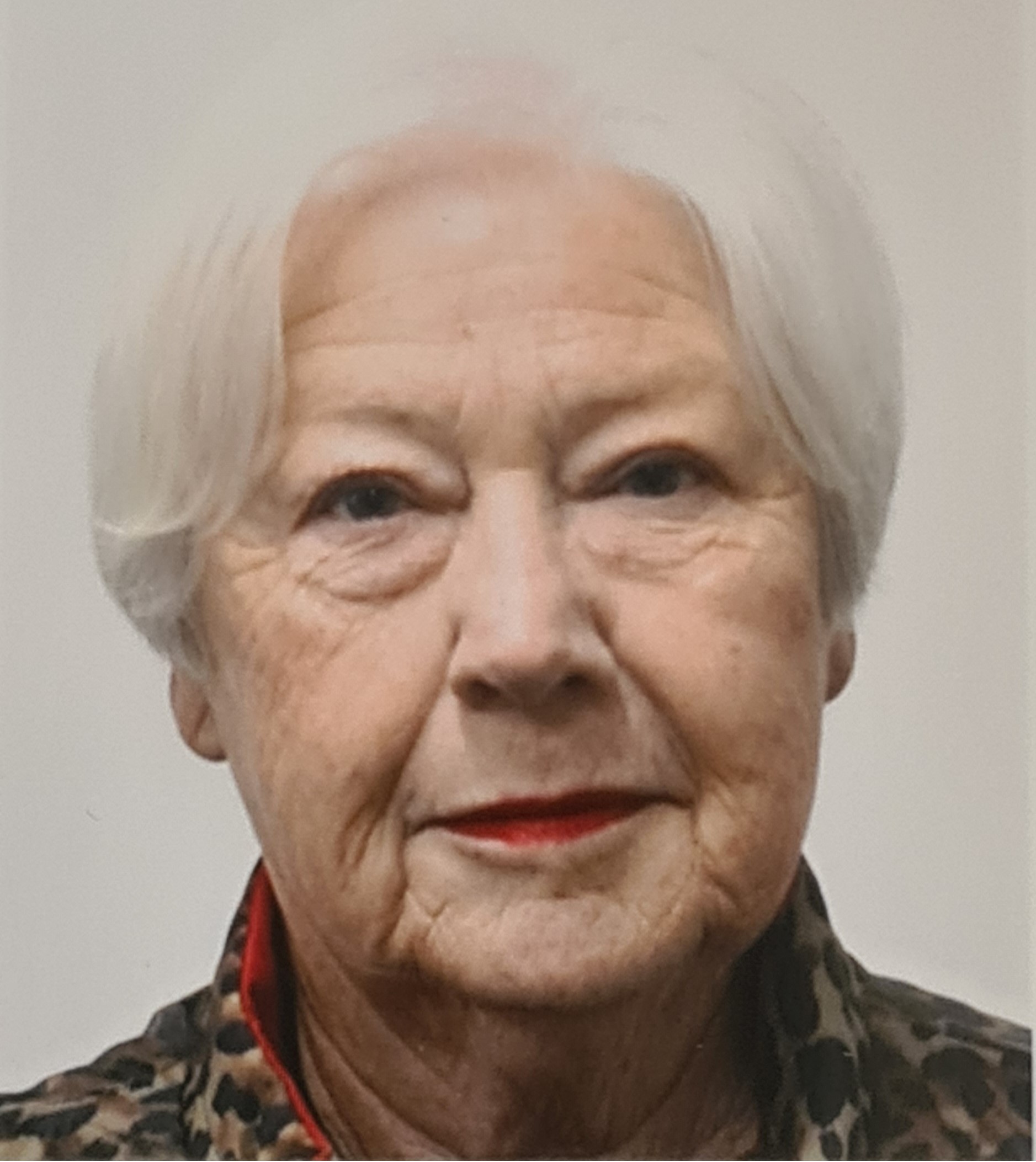 Di Cullen. It was in 2003 when I attended my first ICET World Assembly which was held in Melbourne, Australia. Little did I know then that I would end up being on the ICET Board and a regional representative for Australia and the South Pacific. Having been a member of the ICET community has expanded my educational knowledge, experience and practice. Throughout my career I have taught in primary and secondary schools and held a number of leadership positions. However, over the past 29 years I lectured at Australian Catholic University in the Faculty of Education. My research and publications have centred around teacher education policy and Teaching English as a Second Language.Thanks to my participation in the ICET World Assemblies I have been able to take an international view of educational developments around the world which has helped broaden my outlook and understanding of educational change.
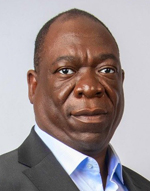 Joseph Jinja Divala is an Associate Professor in Philosophy of Education. I have been teaching and researching in teacher education for over 15 years in South Africa. During this period of service to education, I have worked mostly in initial teacher education programmes from the foundation phase to senior and further education training bands. I have also supervised research students at honours, master's and doctoral levels. I am currently a rated researcher with the National Research Foundation of South Africa.
I have worked at the University of the Witwatersrand, and I am currently working at the University of Johannesburg. In these institutions, I have served in numerous roles such as being the coordinator of Master's and PhD studies, head of department, member of ethics committees and in many other committees.
Within South Africa, I have served in a number of committees at the National Research Foundation as well as the Council on Higher Education. Globally and at different times and periods, I have been a member of associations such as the International Network of Philosophers of Education, the Philosophy of Education Society of Great Britain. I have also collaborated with CiCea and CitizED on ‘Young People's Citizenship and Education: Building Collaborations in Communities’. I serve on a number of journal editorial boards, such as the South African Journal of Higher Education, Citizenship Teaching and Learning, among others.
I became a member of ICET in 2014. Over time, I have served the ICET family in a number of roles as conference co-chair, Regional Vice President for the Africa region, an executive Board Member and Board Chair.
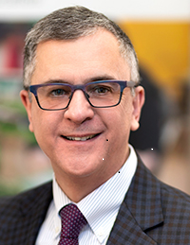 David Mandzuk is an Emeritus Board Member of ICET and has served the organization as a board member representing North America and as Board Chairperson from 2015 to 2017. After a successful teaching career in the Canadian public school system, Dr. Mandzuk moved to the University of Manitoba where for 25 years, he taught a variety of courses in the social foundations of education and served in senior leadership roles such as Associate Dean (Undergraduate Programs) and Dean of the Faculty of Education as well as Acting Dean of the Division of Extended Education. Dr. Mandzuk’s areas of research interest include: the sociology of education, teacher education, and higher education leadership. He has been a member of the Canadian Society for the Study of Education for 35 years, and among his scholarly activities, he has given over 85 scholarly presentations, published 25 papers and book chapters, and co-authored three books including his most recent entitled, "Navigating Uncertainty: Sensemaking for Educational Leaders" published by Brill|Sense in 2018.
Dr. Mandzuk was recently appointed as Professor Emeritus and Dean Emeritus at the University of Manitoba and was honoured as a Lifetime Member of the Association of Canadian Deans of Education. He is currently on the international editorial board of the Journal of Education for Teaching and Education Sciences and continues to work with graduate students.
 Tanya Ovenden-Hope is Professor of Education and Dean of Place and Social Purpose at Plymouth Marjon University, UK. Professor Ovenden-Hope holds the highest professional status for teaching and learning in all three education sectors in the UK - FCCT, FSET and PFHEA. Her research on place-based inequity for schools, teacher supply and teacher professional development has influenced thinking on the way schools access resources. She holds a number of voluntary, elected and invited roles in education, including with Kernow Learning Trust (voluntary Member), the British Educational Research Association (elected council member and special interest group convenor) and Paul Hamlyn Foundation Teacher Development Fund (Advisory Board Member).
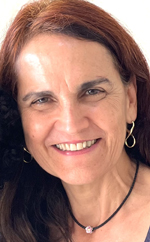 Martha Prata-Linhares is a former Regional Vice President Latin America and the Caribbean of ICET. She is a professor at the Federal University of Triângulo Mineiro (UFTM), Brazil, and leader of the research group Teacher Education, Digital Culture, and Learning (Forproca). She supervises master’s and doctoral students. Her research addresses teacher education, professional development, and the intersections of digital technologies, curriculum and arts.
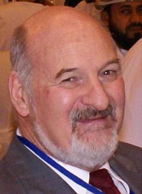 Tony Townsend is a former President of ICET and has worked all over the world. After more than 25 years at Monash University in Australia, in 2003 he became Professor and Chair of Educational Leadership at Florida Atlantic University in the United States, then from 2009, Professor of Public Service, Educational Leadership and Management at the University of Glasgow in the UK. On his return to Australia in 2013, he accepted part-time positions at both the University of Tasmania and Griffith University and he continues to work as an adjunct professor for both universities after retirement at the end of 2018. He has published 13 books and more than 100 papers and chapters, and has conducted more than 90 keynotes, 200 other papers, and over 250 workshops at conferences or professional learning events in over 60 countries. He is currently working with others to put together a 2nd edition of his 2007 Springer publication the International Handbook for School Effectiveness and Improvement.